Misinformation creeps through every corner of the internet and has shown that no one is impervious to it. It is one of the dominant cultural issues that has left experts and politicians dumbfounded at how to deal with it. We may feel like it’s an impossible situation for the everyday man, but I am happy to report that there is research around methods to reduce its influence on our minds. The New York Times reported on research done by Google, the University of Cambridge and the University of Bristol that found teaching people how to spot misinformation before they encounter it actually does improve their ability to spot it.
I was recently browsing Instagram Reels when I encountered an influencer I had recently started following because he recommended healthy alternative recipes to “junk” food. This is the video that caught my eye. He starts off every video with the claim “I lost 100 pounds by eating healthier versions of all the foods that I love.” This is his channel: @benjixavier
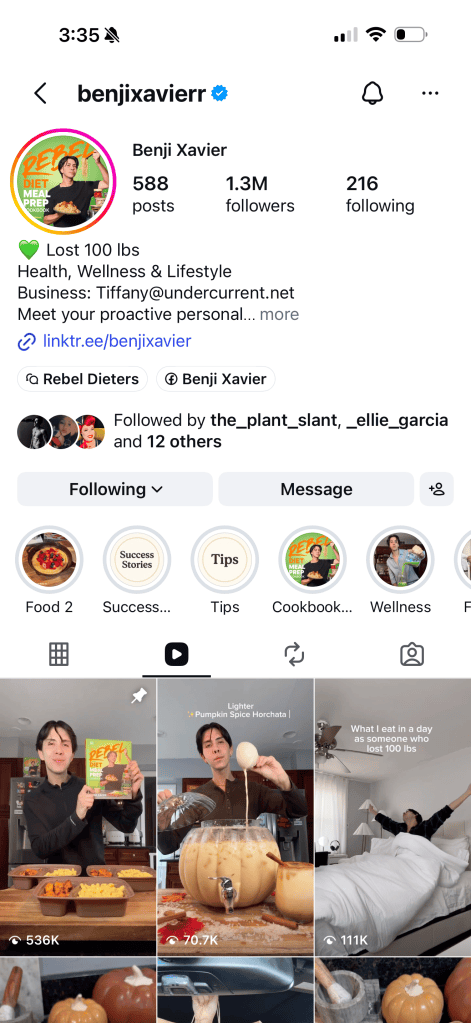
To many it may seem an innocuous phrase that doesn’t mean much beyond his own personal journey, but it actually represents so much more. It’s a phrase that establishes credibility, a personal brand, and a quick introduction to his brand. But there’s nothing, in that moment, that proves his claim is truthful. There has also been an increase in debate in nutritional influencer spaces regarding the rapid spread of misinformation.
So what should you do?
I am definitely someone who is vulnerable to misinformation from trusted sources and biased headlines, so I felt the need to do something to lessen the effect on my life. It may not be a new but I have been able to better navigate the web by following a few steps. I call it the QACK method. Based on the lateral reading method it goes as follows: Question It! Analyze it! Check it!, Know it!
- Question it!
When scrolling through the web you will likely encounter misinformation to some capacity. A rule of thumb I’ve taken is if the piece of content is making you react strongly (sadness, anger, jealousy, suspicious, etc), it’s likely designed for that purpose. We might believe that the internet is used in a similar fashion universally, as in we all use it to post about our lives, but everyone has a different purpose online. There are people who are intentionally designing their content to elicit a strong response from you. All in an effort to have you interact with it.
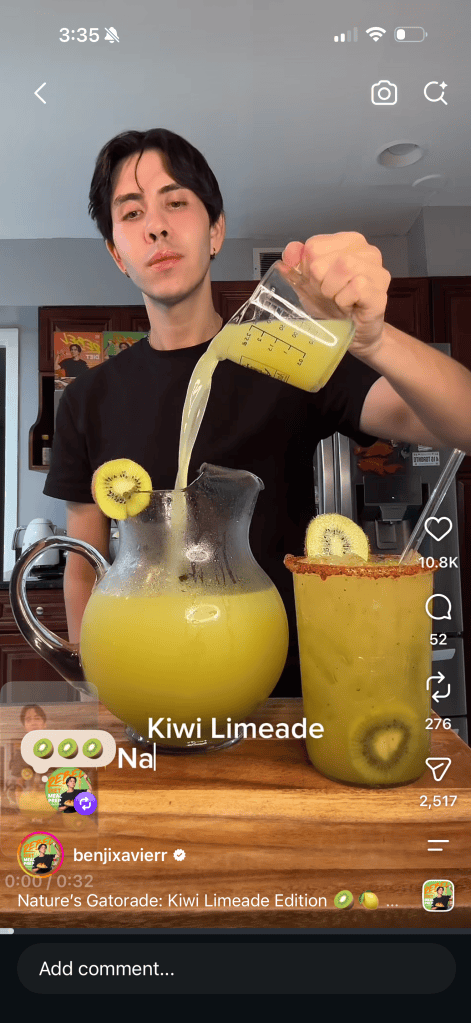
When I saw their latest Instagram post, it made me think about misleading claims online. I’ve been following this influencer for a while, why have I never questioned if their story is real? I stopped and questioned if the phrase they’ve based their entire brand on is even true.
- Analyze It!
You stopped and questioned an influencer you really like and trust, what then? You analyze the claim. What is the intention of the claim? What incentives might the influencer have for using that claim? Take some time to think about the influencer and what the claim actually means to them as a media figure. Mis/disinformation is separate only in intentionality, they both work to deceive, therefore the person posting or spreading the misleading content will often have an ulterior motive.
Influencers have been caught in many scandals for a varying degree of reasons, but mostly involving dishonesty. Influencers have many incentives to be dishonest with you, so it wouldn’t hurt to verify their claims.
- Check It!
Now we get into the actual check. You open a brand new tab, or go into the full account of the influencer.
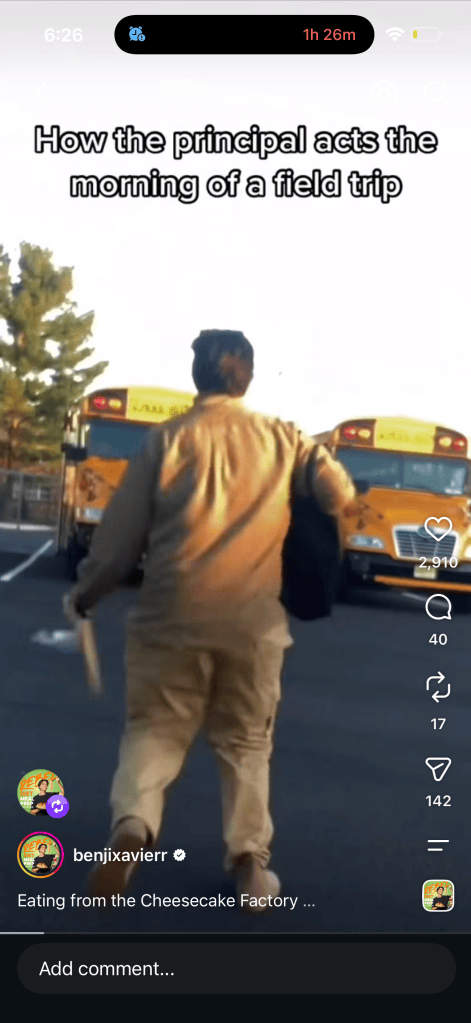
Look for evidence that their claims are true. For my influencer I quickly found a video showcasing his weightloss journey. But it could be outside of the platform. You would use the other tab to verify the claim they made through a quick Google search. Take a look at a few sources and check how true the statement is.
- Know It!
You got to the final step! At this point you’re more informed around the situation you found yourself in. Feel free to make a decision around what to do regarding that original claim. Mine being, “I lost 100 pounds by eating healthier versions of all the foods that I love.” Sometimes you find yourself with a truthful claim and you further trust that content creator. Maybe you catch them in a white lie and decide to take back a like. I would even recommend checking who they follow, it actually reveals alot more than you’d expect.
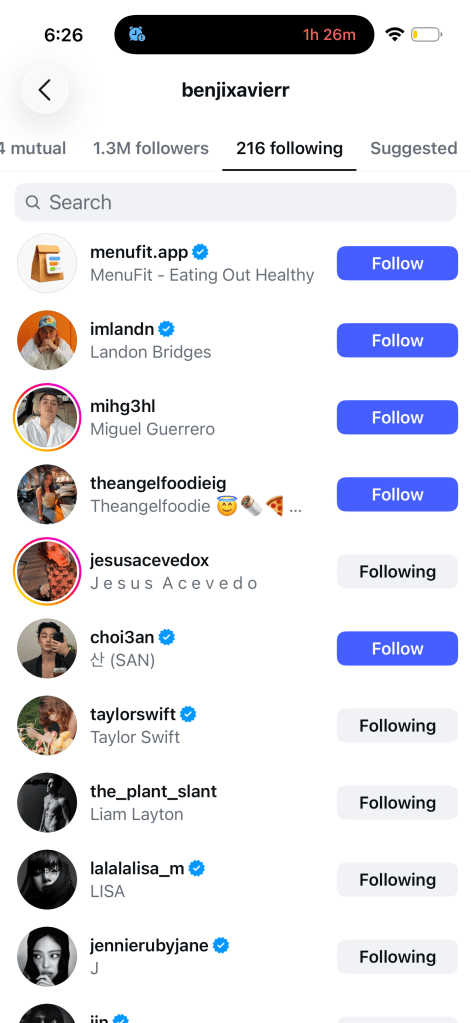
As long as you feel more confident in the knowledge you gained, that’s what matters.
With the influencer I chose I found that he was making a truthful claim. It led me to further trust their content and feel confident I can share their content. It took me no longer than 1 minute to verify the claim, and truthfully 1-2 minutes is the average time it takes to verify.
It truly could not be more important to verify the honesty of the people we take advice from. We live in an era where any image online can be AI generated, or a claim being made by a “fitness guru” can be based in pseudoscience. Speaking from personal experience I have a timeline of more honest influencers (I believe they’re honest) and more unique personalities. It wouldn’t hurt to try.

